
Participatory Democracy: What It Is – Taking Back the Power
Democracy was never meant to be a spectator sport. From its earliest days, it was built on direct citizen involvement, not passive consent.
In ancient Athens, citizens didn’t just vote—they gathered in assemblies to debate, propose, and decide laws themselves. In medieval Europe, village councils and town halls empowered communities to manage their own affairs. And in more recent times, referenda, citizen-led initiatives, and grassroots movements have shaped constitutions, stopped wars, and defended rights across the world.
Yet, somewhere along the way, democracy was hijacked.
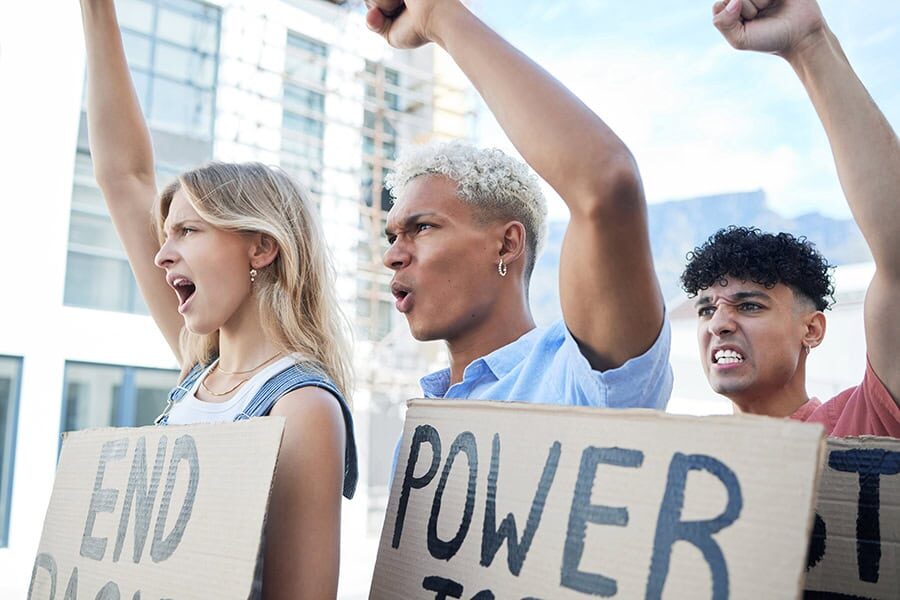
How Democracy Was Taken From Us
What we call “democracy” today is often little more than managed control disguised as freedom.
We are told we are free because we can tick a box every four or five years. But between those moments, who truly governs? Politicians whose campaigns are funded by billionaires. Lobbyists who write policies behind closed doors. Corporations that dictate trade agreements with zero public input. International institutions overriding local voices.
This is not genuine democracy—it is a system that gives the illusion of choice while protecting entrenched interests. And people feel it. The rising disillusionment, record-low voter turnout, protests erupting worldwide—these are not signs of apathy, but of people realizing that their voice has been reduced to an echo in a hollow chamber.
Why Participatory Democracy Is the Antidote
Participatory Democracy is a return to the original spirit of governance: power in the hands of the people, not just on election day, but every single day. It transforms citizens from passive subjects into active decision-makers.
Here’s what it means in practice:
1. Direct Citizen Power
Binding referenda, citizens’ assemblies, and secure digital platforms allow ordinary people to propose, deliberate, and decide laws themselves. No more waiting for career politicians to “represent” us while ignoring the majority. Citizens become lawmakers, not just petitioners.
2. Transparency Without Exceptions
In a true participatory system, nothing is hidden. Every contract, every parliamentary vote, every public euro or taxpayer dollar is traceable by the people who fund it. No secret deals. No unaccountable spending. Corruption cannot thrive in daylight.
3. Accountability with Real Consequences
Public officials are not untouchable elites; they are employees of the people. When they betray that trust, they face immediate dismissal, legal penalties, and full public scrutiny. Accountability stops being a distant theory and becomes an everyday reality.
4. Community Sovereignty
Why should distant bureaucrats dictate how your town runs its schools, hospitals, or local resources? Participatory democracy restores local control over budgets, policies, and priorities—because those who live there know best what is needed.
Why This Fight Matters Now
The stakes could not be higher. Around the world, rigged elections, mass censorship, and foreign interference have eroded people’s confidence in traditional democratic systems. Centralized power is accelerating—concentrated in fewer hands than ever before.
Participatory democracy is not just a political preference—it is a survival mechanism for freedom itself. Without it, we are spectators in a game rigged against us. With it, we reclaim what has always been ours: the right to govern ourselves.
At Raw Truth Media, we fight to expose the systems that silence citizens—corrupt institutions, manipulated media, manufactured consent—and to promote tools and movements that put power back where it belongs: with the people.
Beyond Ideology – Power to the Many
Participatory democracy is not about left or right, liberal or conservative. It transcends ideology because it tackles the root problem: the monopoly of power held by a few. It insists on a simple truth: a free society cannot exist if power is hoarded at the top.
And so, the question is not whether we can afford participatory democracy. The question is whether we can survive without it.
Take Back the Power
Democracy dies when citizens stop participating. It thrives when we take ownership of it. Join local initiatives. Question those in power. Demand transparency. Organize, vote, and hold every decision-maker accountable.
If we want a future shaped by the people, for the people, we must act – now.
[Join the movement. Speak the truth. Be the change.]
Participatory Democracy – Why It Matters?
In an age of increasing political polarization, corporate influence, and widespread disillusionment with traditional politics, participatory democracy is no longer just a theoretical idea – it is a lifeline for genuine freedom.
Representative democracy, in theory, gives citizens a voice. In practice, however, decisions are often made far from the people they affect – in corporate boardrooms, government backrooms, or supranational institutions with little to no accountability. This distance between the people and the power-brokers has produced corruption, apathy, and a dangerous feeling that “our voice doesn’t matter.” Participatory democracy exists to change exactly that.
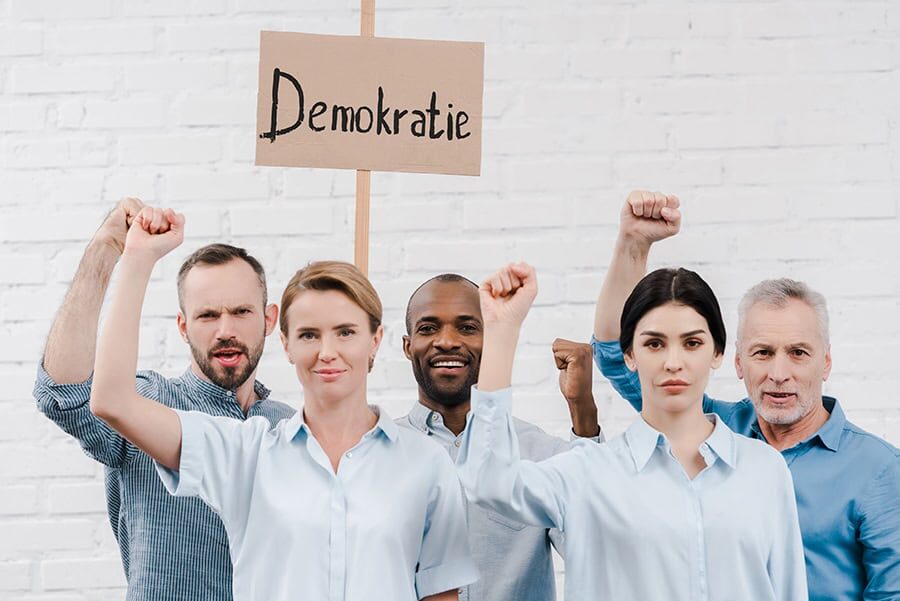
1. Power Back to the People
At its heart, participatory democracy is about returning decision-making power to those who live with the consequences of those decisions. It recognizes that democracy cannot survive if citizens are reduced to passive spectators, casting a vote every four years and then stepping aside while politicians and special interests decide everything else.
Instead, participatory democracy empowers people to become active shapers of policies every single day. This is achieved through tools like:
- Community assemblies, where citizens meet to discuss and set local priorities.
- Binding referendums, giving the public the final say on critical decisions.
- Citizen-initiated legislation, allowing ordinary people to propose and vote on laws directly.
- Digital platforms for public input, enabling secure, transparent engagement in the decision-making process.
When people are directly involved, policies stop serving lobbyists and start serving reality. Communities feel represented because they are represented. This engagement fosters trust, accountability, and genuine civic participation – the foundations of a healthy society.
2. Guarding Against the Abuse of Power
History is clear: concentrated power leads to exploitation. Whether in authoritarian governments, monopolistic corporations, or foreign-controlled institutions, when power is left unchecked, the people suffer.
Participatory democracy introduces checks and balances from the ground up. It empowers citizens to question, challenge, and even veto harmful decisions before they can cause irreparable harm.
Imagine a system where a community can block the sale of its water supply to a private multinational. Or where citizens can demand the immediate dismissal of a corrupt official, rather than waiting years for an election that may never change anything. Participatory democracy makes this possible – not as a privilege, but as a right.
By dispersing power, it ensures that no single group – political, corporate, or foreign – can quietly sell out national resources, dismantle freedoms, or manipulate entire nations for profit.
3. Building Resilient Communities
Democracy is not only about laws and governance – it is about community strength. When people actively engage in shaping their own future, they develop a stronger sense of ownership and responsibility.
Participatory democracy encourages citizens to work together, hold each other accountable, and resist division tactics often used by external forces to weaken societies.
A community that decides how its budget is spent will defend those decisions fiercely. A population that sees and understands where every tax dollar goes is far harder to deceive. Most importantly, participatory democracy teaches a profound lesson: freedom is not given – it is maintained, every day, through collective involvement.
4. Why Now?
The world is at a crossroads. Surveillance states are expanding, tracking every move of their citizens. Mainstream media is often captured, serving agendas rather than truth. Policy decisions are frequently dictated by interests that have nothing to do with the public good.
In such an environment, participatory democracy is not just desirable – it is essential. It demands full transparency, insists on unwavering accountability, and ensures that the people – not powerful elites – remain the ultimate authority.
Without this shift, the illusion of democracy will continue to mask a system where decisions are made for us, not by us.
The Call to Action
Democracy dies when citizens stop participating. It thrives when we take ownership of it.
We cannot afford to be spectators any longer. The future depends on what we do now.
Join local initiatives.
Question those in power.
Demand transparency.
Organize, vote, and hold every decision-maker accountable.
Participatory democracy matters because it transforms “the government” from an institution above us into a collective will among us. And in times like these, reclaiming that power is not optional – it is survival.
If we want a future shaped by the people, for the people, we must act – now.
[Join the movement. Speak the truth. Be the change.]
Participatory Democracy
Democracy lives or dies on citizen action. No constitution, no election, no institution can preserve freedom if the people abandon their role as active guardians of it. History shows us one clear truth: power unchecked always turns against the people.
From the ancient Athenian assemblies to the grassroots movements that toppled dictatorships, real democracy has always been born from the courage of ordinary citizens. The question today is: will we continue that legacy, or let our rights wither under apathy and manipulation?
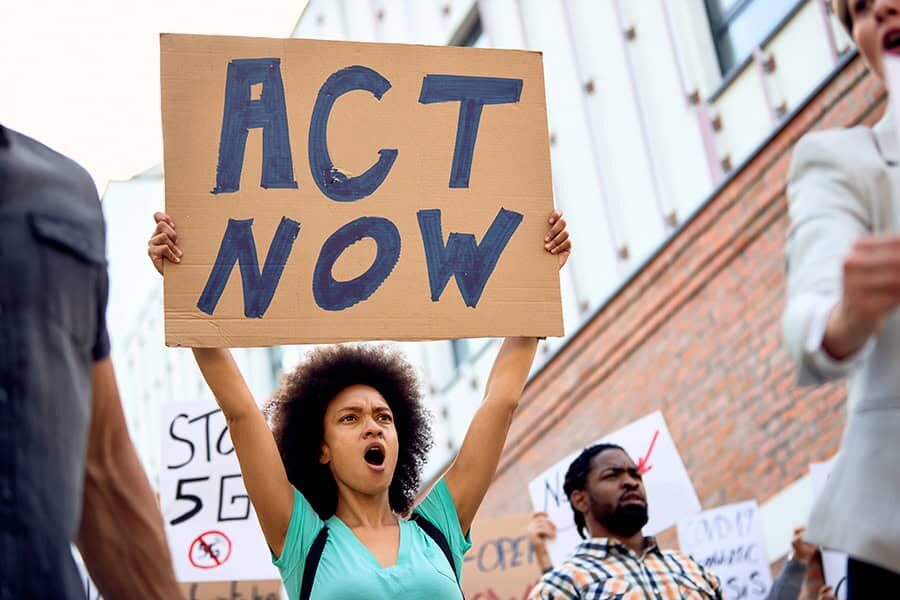
These are the principles that turn passive subjects into active sovereigns:
1. Know Your Power
Every law, every public asset, every politician’s salary exists because of you. Without citizens, there is no state.
Recognize this simple fact: you are the ultimate authority. Politicians are not rulers—they are employees. Power begins when we stop seeing ourselves as helpless and start acting like what we truly are: the owners of our country.
2. Demand Uncompromising Transparency
Corruption hides in shadows. Those in power thrive on secrecy—closed meetings, undisclosed contracts, manipulated statistics.
Demand to see everything. Budgets, votes, deals—if it’s public money or public power, it belongs to the public eye. A government that fears scrutiny is a government that cannot be trusted.
3. Act Locally, Shape the Nation
Revolutions are not always grand—they often begin in small rooms. Local councils, school boards, community groups—these are the frontlines of democracy.
When citizens organize locally, they build networks of accountability that ripple outward to national politics. Change your street, you change your city. Change your city, you change your country.
4. Hold Power to Account—With Consequences
Words without enforcement are noise. True accountability means real consequences:
- Exposing wrongdoing through media and public campaigns
- Using legal tools to challenge corruption in courts
- Mobilizing protests that cannot be ignored
- Voting out those who betray the public trust—and pursuing justice when laws are broken
Democracy without accountability is a fraud.
5. Unite Beyond Labels
Elites thrive by dividing citizens—left vs. right, urban vs. rural, nationality vs. minority. These divisions weaken us and strengthen those who exploit them.
Our common ground is undeniable: We all deserve freedom, dignity, and control over our lives. When citizens unite around shared interests, they become unstoppable.
6. Stay Informed, Stay Awake
Ignorance is the soft bed tyranny sleeps in. Mainstream media often filters truth through the lens of corporate and political interests.
Seek facts from independent sources. Question every narrative. Share verified information. An informed citizenry is a government’s greatest fear.
7. Persist—No Matter the Obstacles
Power structures rely on wearing people down—on making them believe “nothing will change.” History proves the opposite: persistent citizens change everything.
The civil rights movement, the fall of oppressive regimes, the recognition of human rights—all were victories of ordinary people who refused to quit. Your persistence is your power.
At Raw Truth Media, we uphold these principles as the foundation of Participatory Democracy. We do not just report—we empower. We do not just observe—we mobilize.
The future belongs to those who refuse to be silenced.