The EU’s Shattered Moral High Ground
The European Union has long positioned itself as a global champion of transparency, democracy, and the rule of law. Yet the Qatargate scandal, which broke in December 2022, tore a hole in that moral image. Belgian federal police raided the homes of Members of the European Parliament (MEPs) and lobbyists, seizing over €1.5 million in cash. The investigation suggested that Qatar and Morocco were buying influence inside one of the most powerful legislative bodies in the world.
For many EU citizens, it was the first time they saw so vividly that the same corruption Brussels criticizes abroad also festers at home.
The Cash Trail
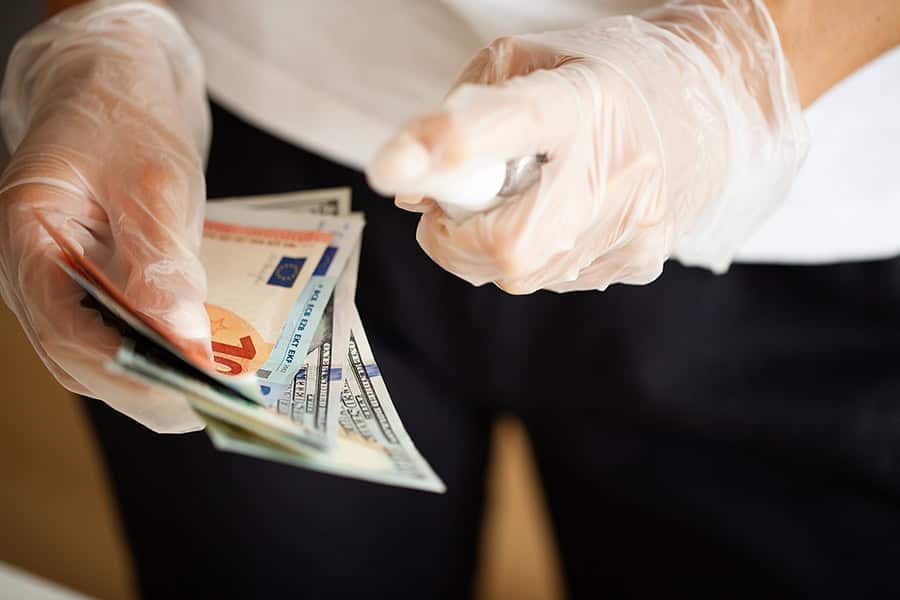
The scandal’s epicenter was Eva Kaili, a Greek MEP who served as one of the Parliament’s 14 Vice Presidents. Belgian police found €150,000 in cash in her Brussels apartment and bags of banknotes with her father, intercepted leaving a hotel. Kaili’s partner, Francesco Giorgi, admitted to managing the flow of money and gifts from Qatari and Moroccan contacts.
The bribes allegedly aimed to:
- Soften EU criticism of Qatar’s human rights record, especially ahead of the 2022 FIFA World Cup.
- Influence aviation and visa agreements favorable to Qatar.
- Shape parliamentary debates on labor reforms, crucial given the scrutiny over migrant worker deaths in Qatar.
Morocco’s Role
Morocco allegedly ran a parallel operation to push its own trade, fishing, and territorial claims — particularly in relation to the disputed Western Sahara — by cultivating long-term relationships with influential MEPs.
Why Qatargate Matters Globally
- It revealed that foreign state lobbying at the EU level can bypass stricter national-level scrutiny.
- It showed how the lack of a binding EU-wide lobbying register makes influence-peddling easier.
- It exposed weak internal ethics oversight, as the European Parliament largely polices itself.
Legal & Constitutional Anchors
- EU Treaties – Article 10 TEU: “Decisions shall be taken as openly and as closely as possible to the citizen.”
- UN Convention Against Corruption (UNCAC): Criminalizes bribery of both domestic and foreign public officials.
The Fallout
While Eva Kaili was stripped of her Vice Presidency, the scandal’s legal process is still ongoing, with the possibility that other high-ranking officials will be implicated. Critics argue the EU has responded with token gestures, such as tightening visitor access rules, rather than systemic reforms.
Call to Action
Without mandatory real-time financial disclosures and an independent EU anti-corruption authority, scandals like Qatargate will repeat — and every bribe erodes trust in the laws that govern half a billion people.