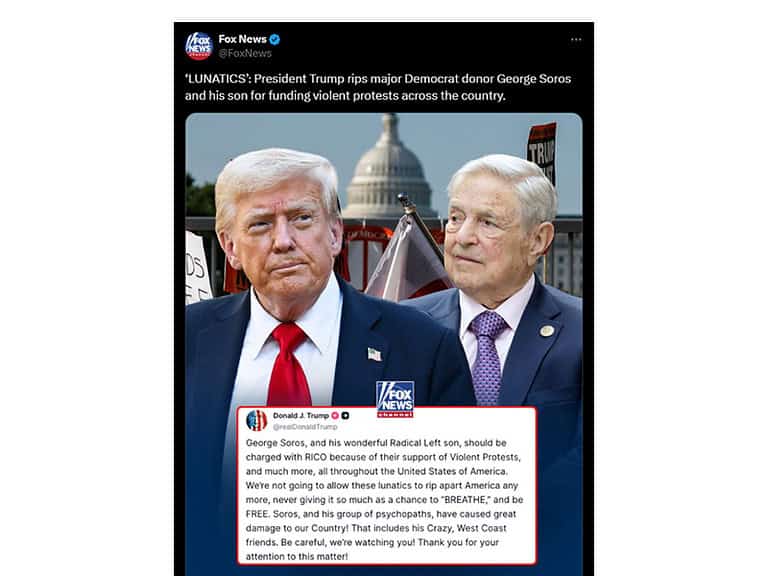
From WHO to WEF, global bodies are gaining powers once reserved for nations. Is sovereignty dying in plain sight?
The Rise of Unelected Power
Over the past decade, global institutions have moved beyond advisory roles into direct governance. The World Health Organization (WHO) is pushing for a Pandemic Treaty that would give it binding authority over member states’ health policies. The International Monetary Fund (IMF) attaches economic reform conditions to loans — often reshaping entire economies.
The public rarely votes on these agreements, yet they carry the force of law.
Pandemic Treaty: A Sovereignty Red Flag
If signed in its proposed form, the WHO’s Pandemic Treaty would:
- Allow WHO to declare emergencies without a country’s consent.
- Mandate certain health measures across all member states.
- Override conflicting national laws.
Constitutional & Legal Anchors
- US Constitution – Article I, Section 8: Reserves lawmaking to elected representatives.
- UK Bill of Rights (1689): Prohibits suspension of laws without consent of Parliament.
- UN Charter – Article 2(7): Prohibits the UN from intervening in matters essentially within a state’s domestic jurisdiction.
Call to Action
National independence dies when decision-making is outsourced to unelected bodies. Governments must reject any agreement that transfers legislative power away from the people’s representatives — no matter how noble the stated cause.